
The Democratic Watchmaker
On Swatch, Mickey Mouse, and the mind of a master watchmaker

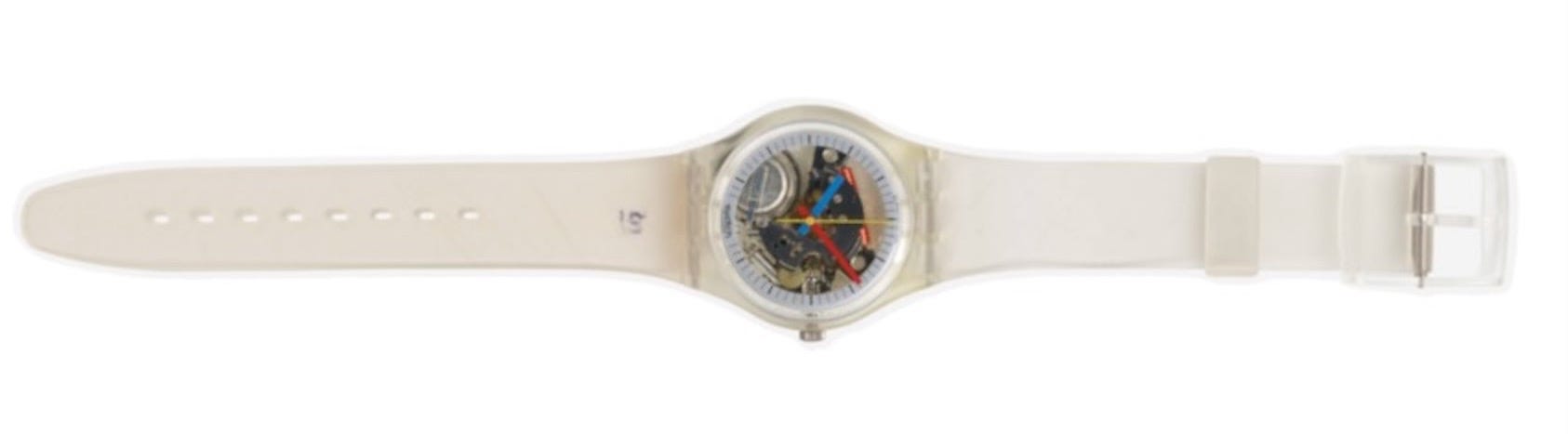
Swatch watches were ubiquitous in the 1980s. Born out of the Quartz crisis, Swatch was the quintessential accessory of the decade. The wide range of designs covered all tastes, and the low price point encouraged collecting and changing watches daily to match (or contrast) outfits.
The mix of fashion and art was irresistible to teenage me, whereas my father was impressed with the Swiss watch industry’s rallying to create this accurate, inexpensive timepiece. With just 51 moving parts, this was a response to the Japanese and American Quartz watches that were threatening mechanical ones. Swatch would go on to define an era.
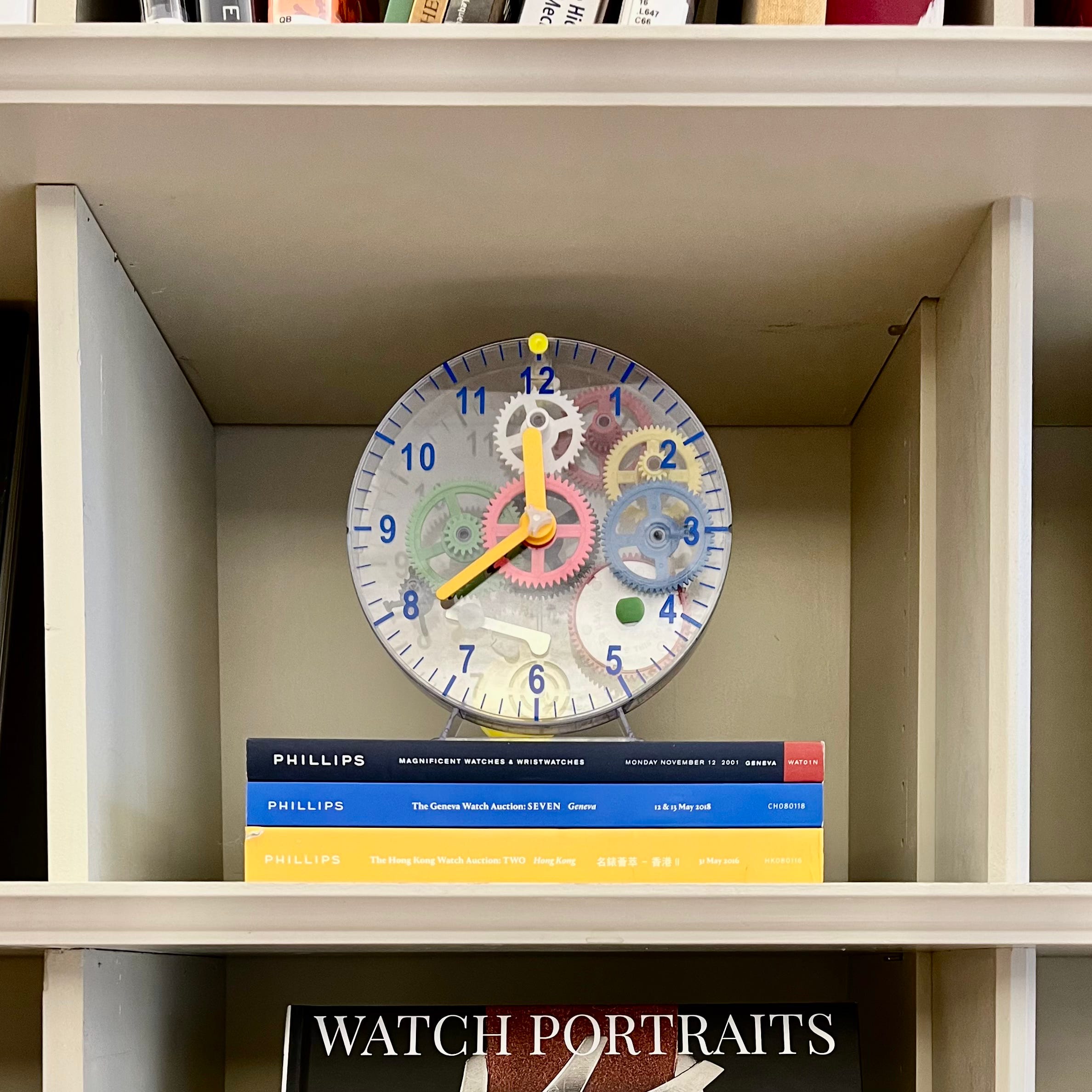
My father took great delight in my fascination with Swatch — just as he’d done before, with other not exactly highbrow timepieces in our household. In fact, I think it was Derek himself who introduced my sister and me as small children to a see-through plastic learning clock that showcased the mechanics of a clock with colorful parts.
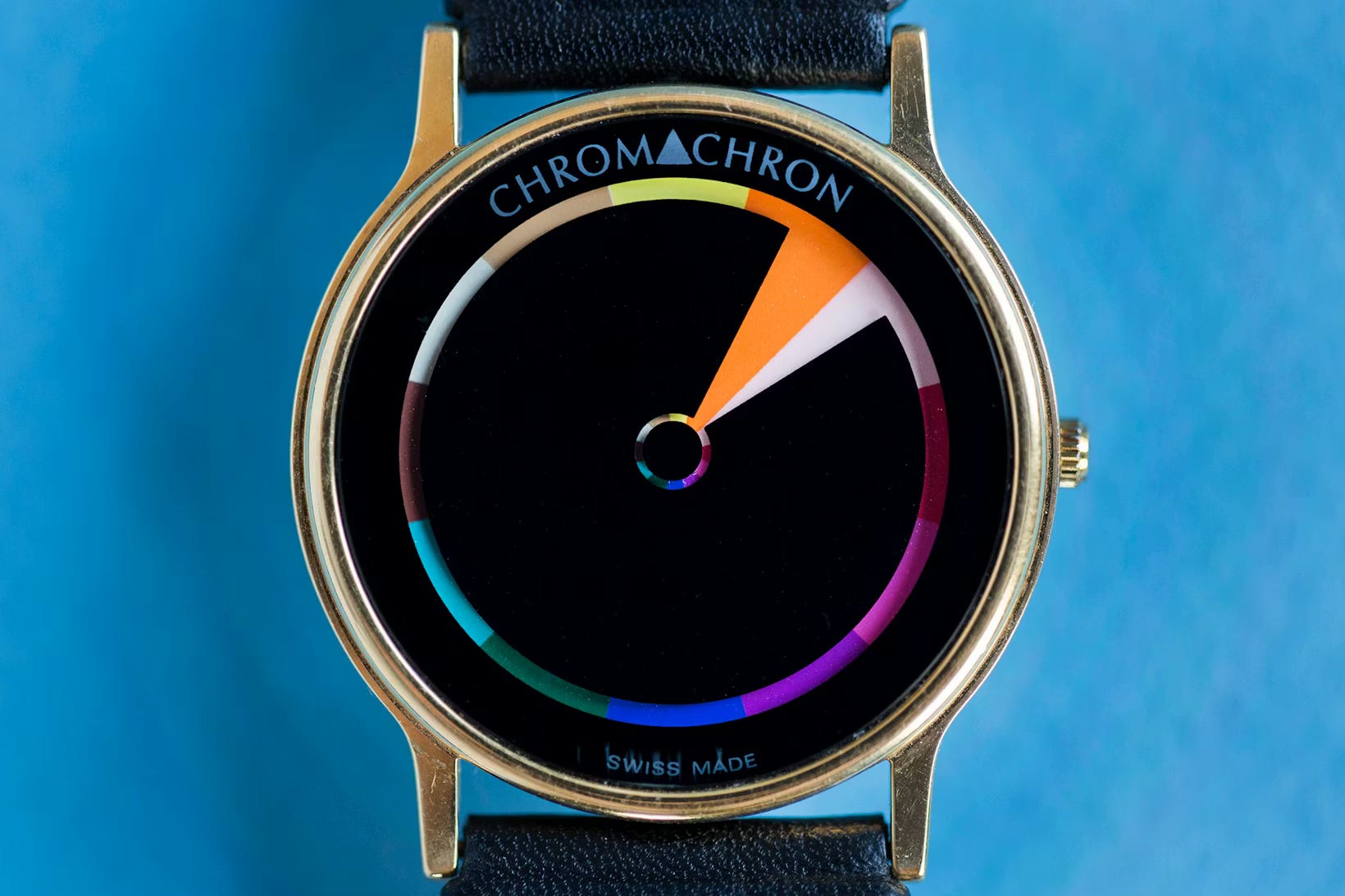
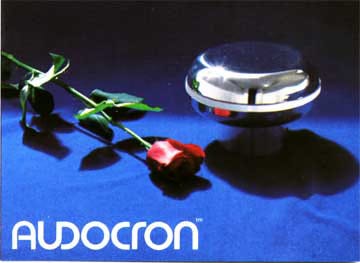
Chromachron, a watch by German designer Tian Harlan, replaced traditional hands with a sliver of color indicating 'anti-stress' time. My dad respected the novelty. A retro-futuristic looking clock from around the same time called Audocron (more on this another time) — beeping and blinking on the hour and whenever touched — was deemed cool, too.
Derek Pratt is counted among the most renowned watchmakers of the 20th century. He hand-built movements with hundreds of exquisite components for Urban Jürgensen. His deep reverence for 18th century horologers John Harrison and Abraham-Louis Breguet did not contradict Derek’s open mind to all kinds of timekeepers.
In horology, hierarchy and a certain snobbery come with the territory. Orthodoxy was not part of Derek’s thinking — he was driven by curiosity and wonder, and simply didn’t concern himself with others’ judgement.
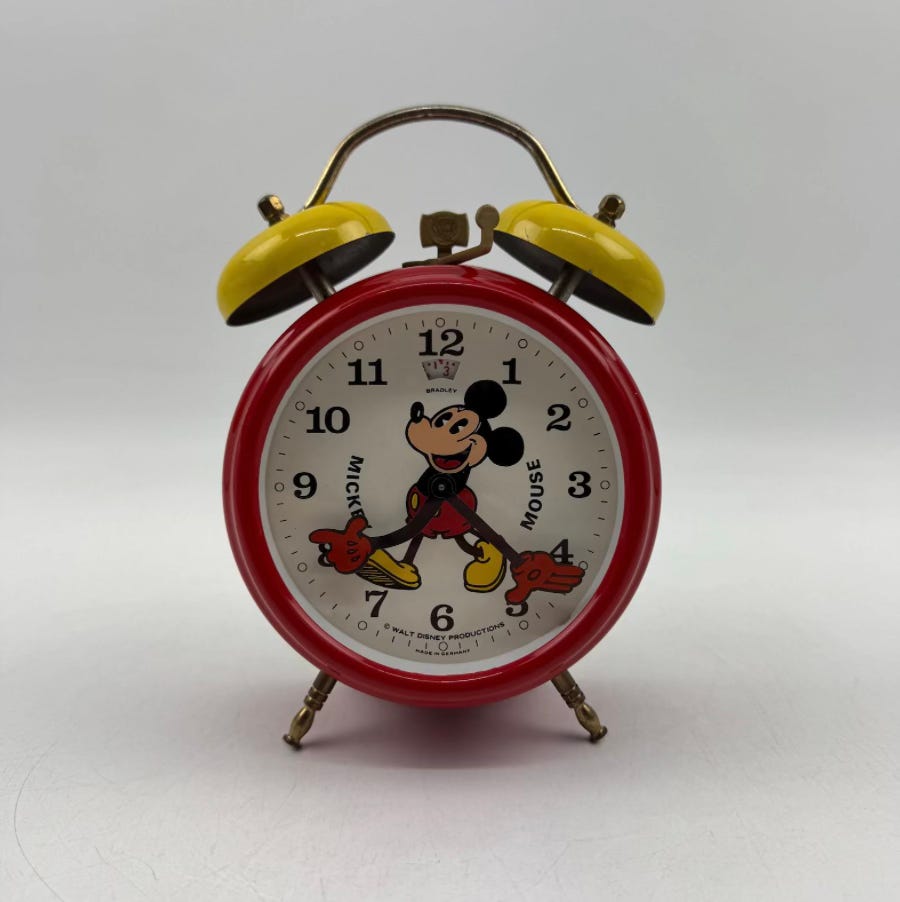
Democracy in clocks and watches was how he ticked. Never a snob, he didn’t turn his nose up at the Mickey Mouse alarm clock on my bedside table.
I visited the factory where Swatch watches were made in the early 90s. It was remarkable at the time. It was a huge shed with, as I remember it, only 3 or 4 people there. One of those was sweeping the floor where another as opening large bags of plastic pellets and tipping them into the hopper on an injection moulding machine. This rapidly deposited watch cases onto the start of a multi stage production line.
The cases were shaped to house the subsequent components in their operating positions and they proceeded through the factory on a conveyor belt, pausing at a sequence of stations at which a component was added by a specialised machine. Finally each watch was completed by sealing on its transparent plastic front.
A clever aspect of this technology was that at each stage the developing watches were shunted into a 'parking lot' containing perhaps a few dozen units, with the leading one proceeding to the next assembly step. This cunning plan allowed production to proceed even if there was a minor glitch with a particular step. Any such glitch would be promptly corrected by one of the rare patrolling humans.
I had just arrived in Tuscany on my way to the Pari Institute to do a residency with F. David Peat and realized that I had no way of knowing the time and bought my first Swatch at the train station.
Thank you for stirring this joyful memory Mary.